Rare 1976 Bicentennial Quarter: The 1976 Bicentennial Quarter is one of the most talked-about coins among collectors and treasure hunters. While millions of these coins were made to celebrate America’s 200th birthday, a few rare versions are worth a fortune—some reportedly valued at up to $3 million. But what makes these quarters so special? Let’s break down their history, what to look for, and how to find out if you might be holding one of these incredible treasures.
The History Behind the 1976 Bicentennial Quarter
In 1976, the United States celebrated its 200th anniversary of independence. To honor this special milestone, the U.S. Mint released a unique set of coins, including quarters, half dollars, and dollar coins—all featuring special designs related to the nation’s history.
The quarter received a special reverse design showing a Colonial drummer and a torch surrounded by 13 stars representing the original colonies. This patriotic image replaced the usual eagle found on the reverse side of quarters. The obverse (front) still featured George Washington, but with the dual date “1776–1976” instead of just a single year.
Because these coins were made for a special occasion, people saved millions of them as keepsakes. However, only a few were struck under special conditions or errors that made them extremely valuable today.
What Makes Some Bicentennial Quarters Worth Millions
Most Bicentennial quarters are worth only 25 cents, but a few rare ones stand out due to minting errors or unusual features. Some were struck on silver planchets meant for collector sets, while others were double-struck or had proof-quality finishes that were never supposed to reach circulation.
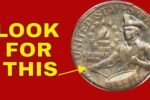
One of the rarest types is a 1976 Bicentennial quarter made of 40% silver instead of the regular copper-nickel composition. These were mainly sold in special collector sets, but a few accidentally ended up in circulation. If you happen to find one in your spare change, it could be worth thousands—or even more, depending on its condition.
There are also reports of special experimental strikes and pattern coins created at the Philadelphia Mint that never entered public release. These unique pieces are highly sought after by collectors and can fetch prices in the millions when they appear at auctions.
How to Identify a Rare 1976 Bicentennial Quarter
Spotting a valuable Bicentennial quarter takes a keen eye and a little knowledge. Start by checking the coin’s composition and mint mark. Regular quarters are made of copper and nickel, while the silver ones have a different color tone and may appear shinier or heavier.
Look closely under the date for a mint mark. A “D” means the coin was made in Denver, an “S” stands for San Francisco, and no letter means it was minted in Philadelphia. The San Francisco coins, especially those struck in silver or proof condition, tend to be more valuable.
If your coin feels heavier, has unusual colors, or shows signs of a double strike (where the design looks layered or repeated), it could be an error coin. Error coins are rare and can dramatically increase a coin’s value.
Checking the Value of Your Bicentennial Quarter
If you think you’ve found a special Bicentennial quarter, it’s worth getting it checked by a professional coin grader or numismatist. Experts use magnification, scales, and reference books to determine whether your coin is a standard issue or a rare variety.
Even if your coin isn’t worth millions, some high-quality uncirculated or proof versions can still sell for hundreds or thousands of dollars, depending on their grade and condition. Collectors pay top dollar for coins that have sharp details, no scratches, and original luster.
You can also compare your coin with photos and listings from trusted coin auction sites or grading companies like PCGS or NGC. These platforms often provide current market prices and images of known rare varieties.
Why the 1976 Bicentennial Quarter Still Fascinates Collectors
Part of the excitement around the 1976 Bicentennial quarter comes from its place in history. It represents a proud national moment, blending patriotism and artistry. Even though millions were made, the possibility of finding a rare and valuable version keeps collectors searching.
Stories of people discovering valuable coins in pocket change or old coin jars continue to spark curiosity. It’s a reminder that hidden treasures might be sitting right under our noses, waiting to be discovered.
The 1976 Bicentennial quarter isn’t just a piece of money—it’s a symbol of American history and a dream for collectors.
FAQs
Q1: Are all 1976 Bicentennial quarters valuable?
No, most are worth their face value of 25 cents, but a few rare ones with errors or silver composition can be worth much more.
Q2: How can I tell if my Bicentennial quarter is silver?
A silver quarter will have a different tone and weight. You can test it with a small magnet (silver is not magnetic) or get it checked by a professional.
Q3: Where should I sell a rare Bicentennial quarter?
You can sell it through a coin dealer, online auction, or coin show after having it professionally graded for authenticity and value.
Q4: Can a Bicentennial quarter really be worth $3 million?
Only extremely rare versions, such as experimental strikes or unique mint errors, have been valued in the multi-million range. These are exceptionally uncommon.